

From Flame to Fame: How to Grow a Candle Brand That Lasts

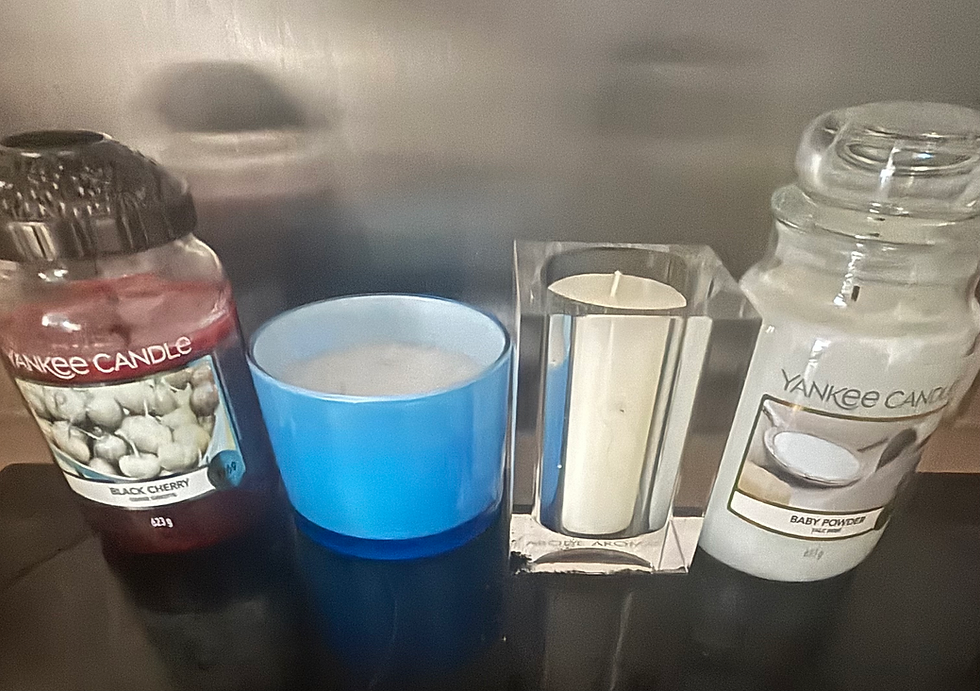
I’m not really a candle collector, but I do keep a couple at home with different scents to add a bit of atmosphere. I’ve only recently started using them more often, and that’s what sparked the idea for this blog.
Candle making has moved far beyond being a relaxing hobby as I’ve seen a few of these classes on the Internet before. it’s now a legitimate business opportunity. From cosy soy candles to artistic sculptural pieces, the sector has become both profitable and creative. In this article, we’ll explore why candle making is thriving, where to sell your creations, the tools you’ll need, and which real-life businesses you can draw inspiration from.
Candles have always carried symbolic and emotional weight. But what’s fascinating is the shift from candles being purely decorative to becoming lifestyle products that are linked with wellness, self-care, and home styling.
The global candle market reached a valuation of $14.06 billion in 2024 and is projected to grow to $25.9 billion by 2034 (GMI Insights). Meanwhile, e-commerce is fuelling demand, with consumers actively purchasing candles online as part of gifting, décor, and wellness routines (Grand View Research).

These figures underline one thing: candle making is no longer a niche craft. It’s a sector with commercial weight and plenty of room for newcomers.
When you’re just starting out the platform you choose can make or break your business. The good news? There’s no shortage of options.
Etsy: Ideal for artisans and small brands. With millions of users looking for handmade goods, Etsy is often the first port of call.
Shopify: Perfect for those ready to build a standalone online shop. It offers branding control, payment flexibility, and scalability.
Amazon Handmade: Gives you access to Amazon’s massive audience, while keeping the handmade aspect front and centre.
Not On The High Street: A UK-based marketplace that champions unique, design-led items. Great for premium and quirky candle brands.
Faire: A wholesale platform connecting makers with independent retailers. This works particularly well if you’re eyeing the boutique or lifestyle store route.
Of course, these platforms shouldn’t be your only channels. Combine them with social media marketing on Instagram, Pinterest, and TikTok, plus in-person craft fairs to widen your reach.
Before diving into your own brand, it helps to see how others carved out success. What’s striking is how each company defined its niche, whether it was art-inspired sculptural candles, heritage craftsmanship, or accessible mass-market products. see below for a mix of modern disruptors and established leaders.
Cent.Ldn: This sculptural candle brand, launched during the pandemic, quickly became a luxury collectible. Collaborating with Adidas and stocked in Selfridges, Cent.Ldn shows how design-forward candles can break into fashion and culture.
Price’s Candles: A heritage brand dating back to the 19th century, Price’s has stood the test of time. With royal warrants and aromatherapy lines, it demonstrates how tradition and innovation can blend seamlessly.
Yankee Candle: A household name, Yankee built an empire by offering accessible, strongly scented candles across retail stores and online. It represents consistency and scale.
Glassybaby: Each votive is hand-blown glass with proceeds supporting cancer charities. With more than $13 million donated, the company proves mission-driven brands resonate deeply with buyers.
MarkCharles Candle Company: A smaller, soy-based candle business pivoted online when its store closed. It shows how flexibility and adapting quickly can keep a brand alive.
Cathedral Candle Company: Supplying churches since 1897, this family run brand highlights how finding a niche, in this case religious use, can secure longevity.
These stories highlight that success isn’t about making “just another candle.” It’s about carving out a unique identity that customers can connect with.
A lot of these candles do look cool but the true beauty of candle making lies in its low barrier to entry, you don’t need a factory to begin but you do need the right gear.
Core Equipment (click the images below the list to browse):
Wax melter or double boiler
Pouring pitcher
Thermometer (to control fragrance blending temperature)
Scales for measuring wax and oils
Wicks (sized correctly for jars or moulds)
Containers or silicone moulds
Fragrance oils and dyes
Labels and packaging materials
Optional extras include wick-centering devices, heat guns for smoothing surfaces, and branded moulds. Remember, presentation is as crucial as scent packaging can influence buying decisions as much as fragrance.
Here’s where I’ll share some ideas beyond the usual checklist. The candle industry is growing, yes, but growth doesn’t just mean making more candles. It means thinking strategically about what’s next.
Subscription boxes: Monthly candle clubs are popular with loyal buyers and create predictable revenue. A very popular subscription service for candles is Vellabox
Eco-friendly ranges: Soy and beeswax candles resonate with eco-conscious consumers. Packaging that’s biodegradable or refillable adds value.
Wellness tie-ins: Candles linked with aromatherapy, meditation, or relaxation routines open doors to the booming wellness sector.
Collaborations: Partnering with lifestyle influencers, spas, or fashion brands gives credibility and wider reach.
If you can position your candle business not only as a product but as part of a lifestyle, you’ll stand out in an increasingly competitive space.
As with many of my blog posts, I like to share books that connect to the subject at hand. Candle making is no exception. Click the below images to have a browse of some guides to creating your own candle business.


Starting your own Candle making business isn’t just about pouring wax into jars. It’s about entering a growing global market with passion, purpose, and strategy. From platforms like Etsy, Shopify, and Amazon Handmade to real-life success stories, there’s clear evidence that small brands can scale quickly when they find their niche.
The equipment is straightforward, the entry costs are low, and the opportunities to innovate are endless. Whether you lean toward artistic sculptural candles, mission-driven designs, or luxury home décor, the space is wide open.
So here’s my advice: light the wick, embrace the creativity, and remember your candle business could be the next one we write about.


Comments